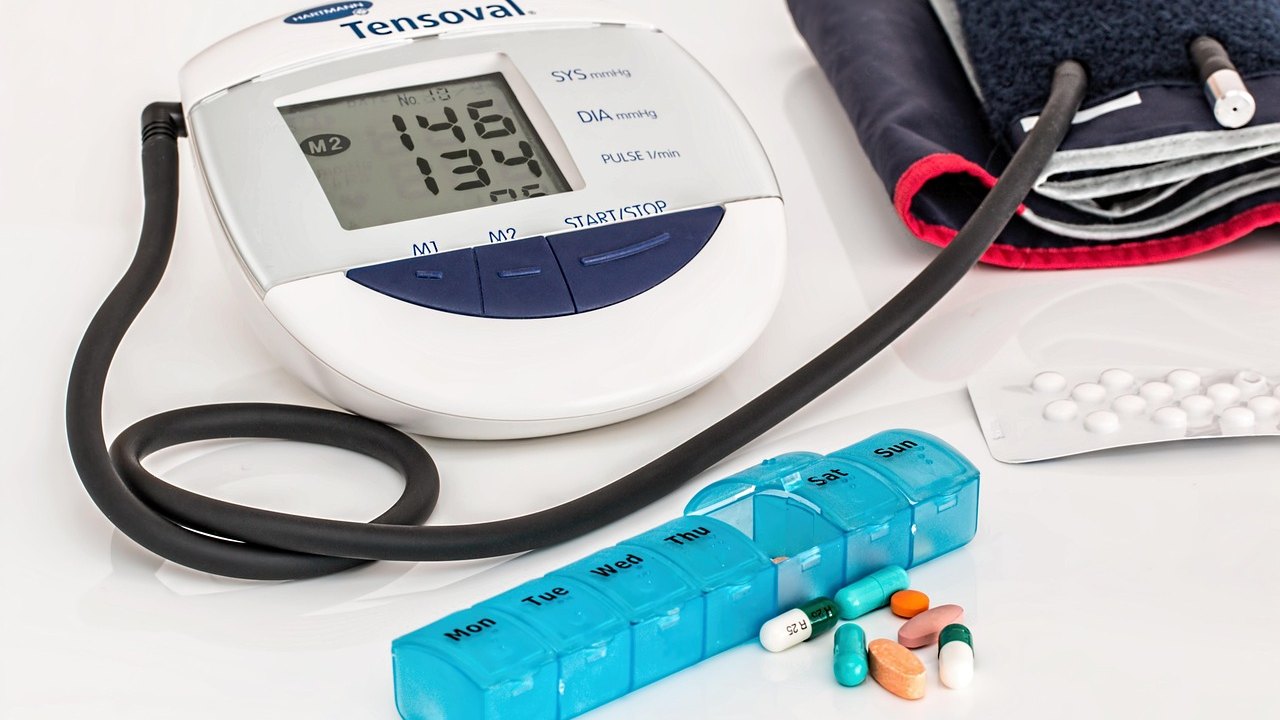
Blood Pressure Variability: Brainstem Neurons and USMLE
Researchers at the University of Virginia School of Medicine report that a small population of brainstem neurons helps keep blood pressure steady from moment to moment. According to the study, losing just a few hundred of these cells produced unstable blood pressure even though the mean blood pressure stayed normal. The work was published in Circulation Research and is a useful hook for reviewing baroreflex physiology and autonomic failure for USMLE.
What happened
Blood pressure is usually judged by its average. The report behind this news points out that fluctuations across the day may matter as well. Rapid or excessive swings can independently increase the risk of heart disease, stroke, and brain injury, even when average readings fall in the normal range.
The UVA team, led by Stephen Abbott, PhD, identified a small group of nerve cells in the brainstem that appears to limit blood pressure swings as a person moves between everyday states: sleeping, waking, standing, and exercising. In Dr. Abbott's words, losing "just a few hundred nerve cells leads to unstable blood pressure even though the mean blood pressure was normal." He interpreted this as a sign that the system that keeps pressure steady from moment to moment is no longer working.
The same cells have previously been reported as damaged or missing in people with multiple system atrophy (MSA). MSA is a rare, fatal neurological disorder related to Parkinson's disease, and it is often accompanied by severe difficulty regulating blood pressure.
The authors suggest that disruption of these cells might also contribute to unstable blood pressure in other conditions, including cases where standard measurements look normal on average. The research was funded by the National Institutes of Health (grant HL148004), and the researchers reported no financial interests related to the study.
Why it matters
Clinically, we are trained to think about blood pressure as a number to push down. This work supports a different framing: stability matters, not just the mean. Dr. Abbott put it this way: "It's not just about lowering the numbers - it's about keeping blood pressure stable from moment to moment."
For the clinician-in-training, there are two practical lessons:
- Two patients can share the same average blood pressure and have different risk. Variability appears to be an independent risk factor in the source's account.
- A normal mean can hide a failing control system. If the neural circuitry that buffers pressure is impaired, the average may look fine while the swings are large.
The researchers say that understanding this mechanism could eventually help develop treatments aimed at reducing harmful fluctuations. That is a long-term possibility, not a current option. Nothing in the source describes a therapy being tested.
What to know for the USMLE
This story touches several high-yield topics. The following is standard textbook material, not new findings from the study.
- Baroreflex (short-term BP control): Stretch-sensitive baroreceptors in the carotid sinus (afferent via the glossopharyngeal nerve, CN IX) and aortic arch (afferent via the vagus nerve, CN X) project to the nucleus tractus solitarius (NTS) in the medulla.
- Response to a fall in BP (e.g., standing up): Decreased baroreceptor firing leads to decreased parasympathetic output and increased sympathetic output. The result is higher heart rate, contractility, and vasoconstriction, so BP is restored.
- Response to a rise in BP: Increased baroreceptor firing leads to the opposite pattern, with more vagal tone and less sympathetic tone.
- Baroreflex is fast, not long-term: It buffers moment-to-moment changes. Long-term BP is set largely by renal mechanisms and the renin-angiotensin-aldosterone system.
- Classic experimental concept: Removing baroreceptor input (sinoaortic denervation) in animals produces labile BP with large swings and relatively little change in the mean. This fits the idea that the reflex controls variability more than average level.
- Carotid sinus massage: Increases afferent firing, which increases vagal tone and lowers heart rate. Know it for the physiology of vagal maneuvers.
- Orthostatic hypotension: Usually defined as a drop of at least 20 mmHg systolic or 10 mmHg diastolic within 3 minutes of standing. Neurogenic causes involve failure of the autonomic reflex arc, with little compensatory heart rate rise.
- Multiple system atrophy: An alpha-synucleinopathy with glial cytoplasmic inclusions (oligodendroglia). Look for autonomic failure (orthostatic hypotension, urinary dysfunction) plus parkinsonism and/or cerebellar signs. An older name for the autonomic-predominant form is Shy-Drager syndrome.
- Other autonomic failure causes to compare: Parkinson disease, Lewy body dementia, pure autonomic failure, and diabetic autonomic neuropathy.
- Pharmacology tie-in: Neurogenic orthostatic hypotension is managed in textbooks with volume expansion (fludrocortisone) and vasoconstrictors (midodrine, an alpha-1 agonist, or droxidopa, a norepinephrine prodrug). A recognized challenge is supine hypertension, another example of unstable pressure.
Limitations
Read this news with caution. Several important details are missing from the source material:
- The study population is not described. The source does not say whether the work was done in people, animals, or cell models, or how many subjects were involved. The finding that "a few hundred" neurons were lost suggests an experimental manipulation, but the source does not confirm this. Do not assume the results apply to human patients.
- The cell type is not named in the material provided. The source does not specify the exact brainstem nucleus, neurotransmitter, or connections, so it cannot be mapped onto specific USMLE structures with confidence.
- Association with other diseases is a hypothesis. The authors raise the possibility that these cells contribute to unstable BP in conditions beyond MSA. This has not been shown in the source.
- No treatment exists yet. The article speaks only of eventually helping researchers develop treatments. Nothing here guides care for any individual.
- Variability as a risk factor is described as growing evidence, not settled practice. The source does not give effect sizes or thresholds.
FAQ
Can blood pressure be dangerous if the average is normal?
According to the source, rapid or excessive fluctuations can independently raise the risk of heart disease, stroke, and brain injury, even when average readings are normal. The source gives no thresholds, so this is a concept to understand rather than a rule to apply.
What is the baroreflex, and why is it high-yield for USMLE?
The baroreflex is the rapid negative-feedback loop that detects arterial stretch in the carotid sinus and aortic arch and adjusts autonomic output to keep BP stable. It is tested through vignettes on standing, hemorrhage, carotid massage, autonomic neuropathy, and drug effects on reflex tachycardia.
What does multiple system atrophy have to do with this study?
The cells studied have previously been found damaged or missing in people with MSA, a rare, fatal neurological disorder related to Parkinson's disease. MSA often comes with severe BP regulation problems, which is why this finding is of interest.
Key takeaways
- A normal average blood pressure can coexist with dangerous swings, and variability may be an independent risk factor for heart disease, stroke, and brain injury.
- UVA researchers report that a small brainstem neuron population limits BP swings, and losing a few hundred of these cells destabilized BP without changing the mean. The source does not say what species or sample was studied.
- For USMLE, tie this to the baroreflex (CN IX/X, NTS, sympathetic/parasympathetic balance), neurogenic orthostatic hypotension, and multiple system atrophy. Treatment based on this discovery is still far off.
Prepared by the project team from the source material. Not medical advice.