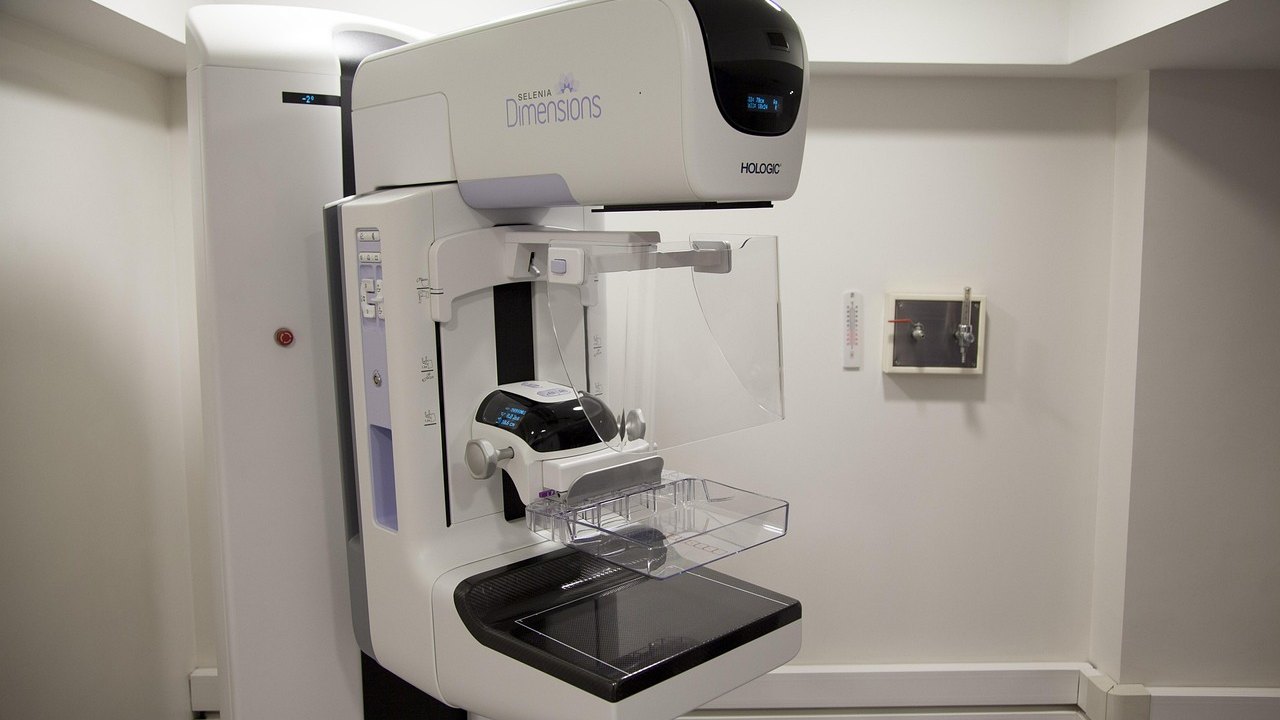
Breast Cancer Screening Tomosynthesis: Interval Cancers, USMLE
Breast cancer is the most common cancer in women in Germany, with about 75,000 new cases a year. A new estimate suggests that adding tomosynthesis to screening could prevent roughly a quarter of invasive interval cancers, meaning cancers that appear within 2 years after a digital mammogram. Tomosynthesis also detects cancer more often at the screening examination itself. The report concerns interval cancers, not breast cancer mortality.
What happened
According to the Medical Xpress summary, researchers looked at how tomosynthesis (digital breast tomosynthesis, DBT) compares with standard digital mammography in population screening. The key estimate is that tomosynthesis could prevent about 25% of invasive interval cancers occurring within 2 years of a digital mammogram. The summary also says tomosynthesis detects more cancers at the screening round.
The wording matters. "Prevent an interval cancer" here means the tumor would be found at the screening visit instead of surfacing between rounds because of symptoms. It does not mean the cancer never develops. The summary also states that the description is about interval cancers, not deaths. Whether earlier detection translates into fewer breast cancer deaths is a separate question that this report does not answer.
The summary gives no further detail on study design, sample size, or confidence intervals, so I won't guess at them. The phrase "by estimate" suggests the 25% figure is a projection, not a direct measure of patient outcomes. Check the original source before citing it.

Why it matters
Interval cancers are a core quality measure of any screening program. A screening test that misses many cancers, or fails to catch fast-growing ones before symptoms appear, gives false reassurance. If tomosynthesis shifts some of those cancers into the screen-detected group, the program is catching tumors earlier.
Biology explains why this is plausible. Standard 2D mammography flattens the breast into one image, so normal fibroglandular tissue can overlap a tumor and hide it. This "masking" is worse in dense breasts. Tomosynthesis takes multiple low-dose images from different angles and reconstructs thin slices. That reduces tissue superimposition, so a lesion is less likely to be hidden.
Remember, though, that more detection does not automatically mean better outcomes. Any gain has to be weighed against overdiagnosis, false-positive results, and the cost and workload of a new technology. The news summary does not address these trade-offs, and neither does this article beyond flagging them.
What to know for the USMLE: breast cancer screening and interval cancer
- Interval cancer is a cancer diagnosed between scheduled screening rounds, after a negative screening result. In this report, the window is within 2 years after a digital mammogram.
- Interval cancers arise from two sources: false-negative screens (tumor present but missed, e.g., masked by dense tissue) and truly new, fast-growing tumors that appeared after the screen. Fast-growing tumors are often higher grade.
- Sensitivity = TP / (TP + FN). A test with many false negatives has low sensitivity. A higher interval cancer rate points to lower real-world sensitivity of the screening program.
- Specificity = TN / (TN + FP). Screening tests that increase recalls and false positives lower specificity. A good screening test needs a balance of both.
- Screening favors biologically slow tumors. Length-time bias means slow-growing cancers are more likely to be caught by periodic screening, while aggressive ones tend to appear as interval cancers.
- Lead-time bias makes survival look longer when the diagnosis is made earlier, even if death is not postponed. This is why mortality, not survival time from diagnosis, is the gold-standard endpoint for screening trials.
- Overdiagnosis is detection of cancers that would never have caused symptoms or death. More sensitive tests can increase it.
- Dense breasts lower mammographic sensitivity (masking) and are also an independent risk factor for breast cancer.
- Tomosynthesis (DBT) is a pseudo-3D technique using multiple low-dose projections reconstructed into slices. It uses ionizing radiation, like mammography.
- Guidelines for average-risk women: the USPSTF recommends biennial mammography from age 40 to 74. The ACS offers a different schedule (annual screening from 45 to 54, with the option to start at 40, then biennial or annual from 55). Know that guidelines differ, and read the question stem for which one it expects.
- High-risk women (e.g., BRCA1/2 carriers, prior chest radiation) are screened with breast MRI in addition to mammography. MRI is more sensitive but less specific.
- Most common invasive type: invasive ductal carcinoma (no special type). Know the receptor subtypes (ER/PR-positive, HER2-positive, triple-negative), because they drive prognosis and therapy, and triple-negative tumors are more often found as interval cancers in many series.
- Ultrasound is the first imaging step for a palpable mass in women under 30 and a useful adjunct to mammography in some settings. A suspicious finding on imaging leads to core needle biopsy, not observation.

Limitations
- Source detail is thin. The summary does not describe study design, population, comparison method, or uncertainty. I won't infer them.
- It is an estimate. "Could prevent about a quarter" is a projection, not proof that a given number of cancers were actually avoided in real programs.
- No mortality data. The report is about interval cancers. Fewer interval cancers do not by themselves prove fewer breast cancer deaths.
- Harms are not covered. The summary does not discuss false positives, recall rates, overdiagnosis, radiation dose, or cost.
- Results are specific to a setting. The context is German screening, and organization, age ranges, and imaging protocols differ between countries.
- Secondary reporting. This article is based on a news summary, not the full paper.
FAQ
What is an interval cancer in breast screening?
It is a breast cancer diagnosed after a negative screening test and before the next scheduled screen, usually because of symptoms. Some are missed on the screening image (false negatives), while others grow quickly and were not yet visible.
Is tomosynthesis better than digital mammography?
According to this report, it detects more cancers at screening and could prevent about a quarter of invasive interval cancers within 2 years of a digital mammogram. Those are estimates about detection. They do not establish a mortality benefit, and harms like false positives were not described in the summary.
Does finding more cancers always mean a better screening test?
No. A test can find more cancers and still cause overdiagnosis or false-positive recalls, and earlier detection can look like longer survival because of lead-time bias. USMLE questions often test these concepts, and the best evidence is reduced disease-specific mortality.
Key takeaways
- A new estimate suggests tomosynthesis could prevent about 25% of invasive interval breast cancers within 2 years after digital mammography. It also detects more cancers at screening.
- The finding concerns interval cancers, not mortality, and the available summary gives no details on study design or harms.
- For the USMLE, connect interval cancers to false negatives, sensitivity, and screening biases (lead-time, length-time, overdiagnosis), and know how dense breasts affect mammography.
Prepared by the project team from the source material. Not medical advice.