Ebola Outbreak in Congo: 5,000+ Deaths and USMLE High-Yield
According to the latest figures from the Congolese government, reported on Saturday, more than 5,000 people in the country have died of Ebola. The disease is still spreading, and cases have also been recorded in other African countries, which raises concern for the whole continent. For USMLE candidates, this is a good moment to review Filoviridae: how Ebola causes hemorrhagic fever, how it spreads, and how infection control works.
What happened
The only information available to us is a short summary of the report. The Congolese government says that more than 5,000 deaths from Ebola have been recorded in the country. The outbreak has not stopped, and cases have been confirmed in other African nations. This has led to worries about wider regional or continent-wide spread.
The summary does not say how many people have fallen ill, how many cases are confirmed versus suspected, which provinces or countries are affected, or what control measures are in place. We will not guess at those details. For case counts, case-fatality estimates, or vaccination data, you will need official updates from the Congolese government and international health agencies.
Why it matters
A death toll above 5,000 is a very large number for an Ebola outbreak. The report itself says the disease keeps spreading, and that cross-border cases are driving the concern. Cross-border spread matters because outbreak control depends on finding cases, tracing contacts, isolating patients, and safely handling the dead. Each of these gets harder when an outbreak crosses borders.
For future physicians, Ebola illustrates several themes that appear repeatedly on the exams:
- How a zoonotic virus moves from animal reservoirs into human populations.
- Why health care workers and family caregivers are at high risk.
- Why isolation and personal protective equipment (PPE) are central to control.
- How a viral infection can produce shock and bleeding through endothelial and immune dysfunction.
What to know for the USMLE — Ebola and Filoviridae high-yield
- Virology: Ebola virus belongs to the family Filoviridae (which also includes Marburg virus). It is an enveloped, nonsegmented, negative-sense single-stranded RNA virus with a long, thread-like (filamentous) shape, sometimes described as a "shepherd's crook." Because it is negative-sense, the virion carries its own RNA-dependent RNA polymerase.
- Reservoir: Fruit bats are the suspected natural reservoir. Human outbreaks are often linked to contact with infected animals, including bushmeat, followed by person-to-person spread.
- Transmission: Spread occurs by direct contact with body fluids (blood, vomit, stool, saliva, semen, breast milk) of a symptomatic or deceased patient. The virus enters through broken skin or mucous membranes. It is not classically airborne. Contaminated needles and unsafe funeral practices are classic amplifiers.
- Incubation and presentation: The incubation period is about 2–21 days. Early illness is nonspecific: fever, headache, myalgias, and fatigue. This is followed by severe vomiting and diarrhea, then hypovolemia and shock. Bleeding (mucosal, GI, petechiae) occurs in some but not all patients.
- Pathogenesis: The virus infects monocytes, macrophages, and dendritic cells first, then spreads to the liver, spleen, and endothelium. The glycoprotein (GP) mediates entry (the host receptor NPC1 is a classic detail). Viral proteins such as VP35 blunt the interferon response. Infected macrophages release a flood of cytokines, causing vascular leak and endothelial dysfunction. Tissue factor expression and liver injury contribute to DIC. Lymphocyte apoptosis causes immune suppression.
- Labs: Expect leukopenia, thrombocytopenia, elevated transaminases (AST often greater than ALT), coagulopathy, and electrolyte disturbances.
- Diagnosis: RT-PCR for viral RNA is the standard. PCR may be negative very early, so repeat testing can be needed.
- Management principles: The mainstay is supportive care: aggressive fluid and electrolyte replacement, treatment of shock, and correction of bleeding problems. For Zaire ebolavirus, monoclonal antibody therapies (such as ansuvimab or the atoltivimab/maftivimab/odesivimab combination) are approved.
- Prevention: The rVSV-ZEBOV vaccine (Ervebo) is a live, attenuated recombinant vaccine that protects against Zaire ebolavirus only. It does not cover other species or Marburg virus. Ring vaccination (vaccinating contacts and contacts of contacts) is a classic outbreak strategy.
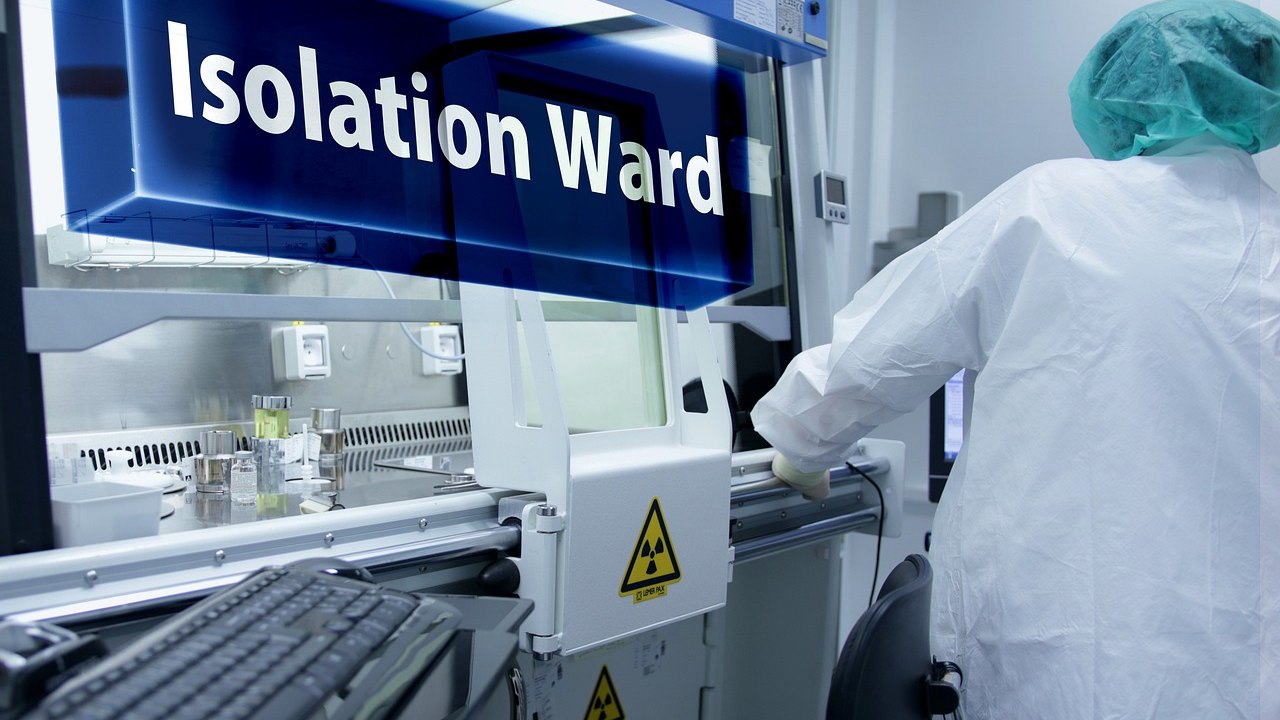
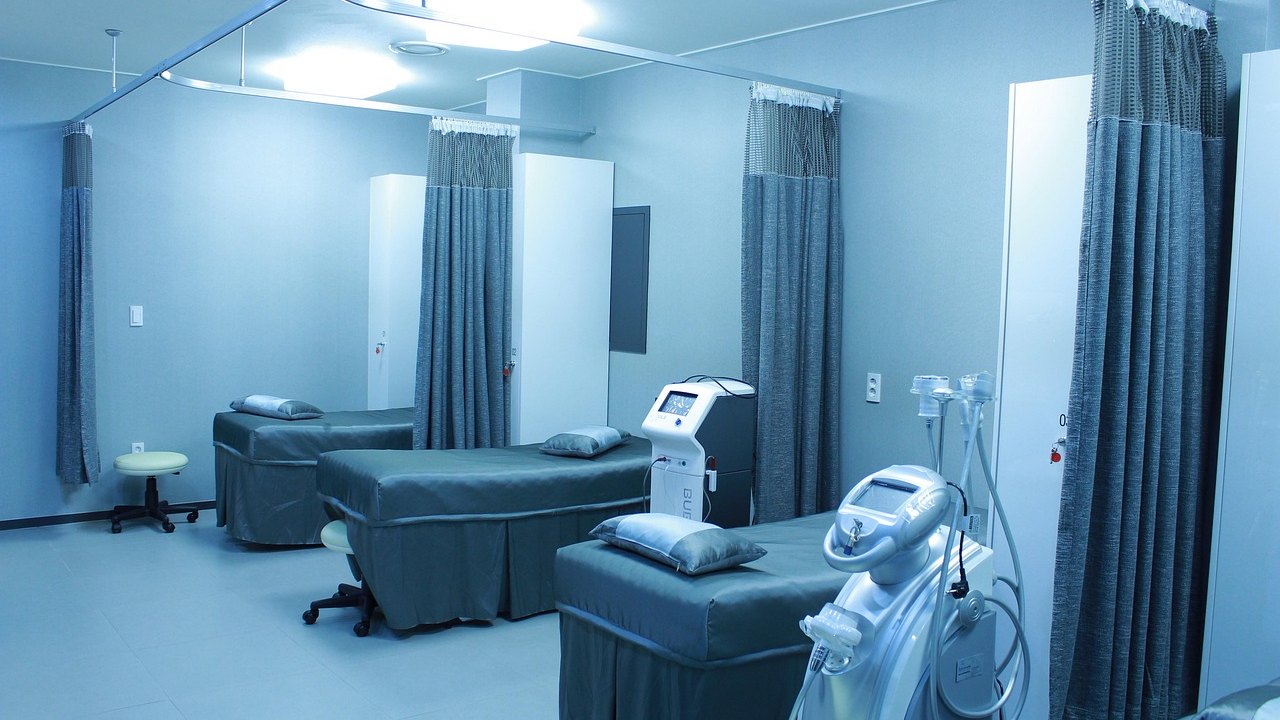
- Infection control: Place the patient in a single room with a private bathroom and use strict contact and droplet precautions, with full PPE (gown, gloves, eye protection, and respiratory protection for aerosol-generating procedures). Train staff in correct donning and doffing, since contamination often happens when PPE is removed. Report suspected cases to public health authorities immediately, identify and monitor contacts, and ensure safe burial practices.
- Differential diagnosis: Consider malaria first in any febrile traveler from an endemic area. Others include typhoid fever, Lassa fever (an arenavirus, treated with ribavirin), Marburg virus, dengue, yellow fever, and meningococcemia. A travel history is often the key clue in a vignette.

Limitations
This article rests on a brief news summary, not on a scientific study or official situation report. Several things are unknown:
- Case numbers: the summary gives no figure for total infections, so we cannot calculate a case-fatality rate.
- Geography: it does not name the other affected countries or say how many cases they have.
- Response: it gives no information on vaccination, treatment access, or isolation measures.
- Data quality: death counts in a fast-moving outbreak can be revised, and reporting may lag behind events on the ground.
The pathophysiology and management points above are general textbook knowledge. They are not claims about how this particular outbreak is being handled, and they are not advice for any individual patient.
FAQ
What causes Ebola, and how does it spread?
Ebola disease is caused by Ebola viruses in the Filoviridae family. It spreads through direct contact with the blood or body fluids of a sick or deceased person, and through contaminated objects such as needles. It is not classically airborne.
Why is Ebola called a hemorrhagic fever if not everyone bleeds?
The term describes the syndrome of fever plus vascular damage and coagulopathy. In practice, many patients die of volume loss and shock from vomiting, diarrhea, and capillary leak, and visible bleeding occurs in only a subset.
What is the key infection control principle for Ebola on the exam?
Isolate the patient in a private room and use full PPE with strict contact and droplet precautions. Also report the case, trace contacts, and handle the dead safely. Remember that Ervebo covers only Zaire ebolavirus.
Key takeaways
- The Congolese government reports more than 5,000 Ebola deaths, and the disease continues to spread, with cases in other African countries. The summary gives no case counts or details of the response.
- For USMLE, remember that Ebola is an enveloped, negative-sense ssRNA filovirus that infects macrophages and dendritic cells, causing vascular leak, DIC, and shock. It spreads through body fluids, not through the air.
- Management is mainly supportive. Know the role of monoclonal antibodies and the Zaire-specific Ervebo vaccine, and prioritize isolation, PPE, contact tracing, and safe burial in infection control questions.
Prepared by the project team from the source material. Not medical advice.