Ebola Vaccine Trial in DR Congo: Bundibugyo and USMLE Review
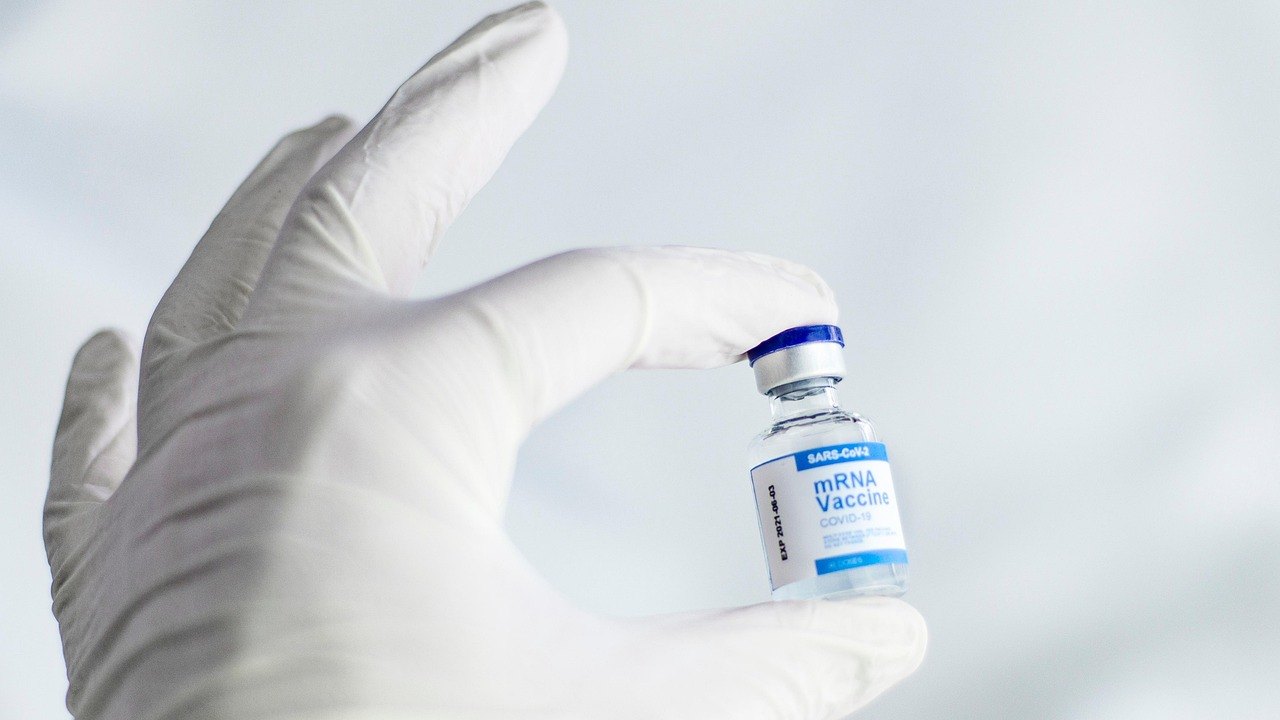
The first clinical trial of an Ebola vaccine during the current outbreak in the Democratic Republic of Congo (DRC) has begun, WHO Director-General Tedros Adhanom Ghebreyesus announced. The trial, called Tumaini ("hope" in Swahili), will first test Ervebo, a vaccine approved against Zaire ebolavirus, to see whether it offers any cross-protection against Bundibugyo virus, the species behind this epidemic. No results exist yet, so efficacy is unknown.
What happened
According to the Medical Xpress report, the first participants were vaccinated in Bunia, capital of Ituri province in northeastern DRC and the epicenter of the outbreak. The DRC declared its 17th Ebola outbreak on May 15. Two days later, WHO triggered a public health emergency of international concern, which the report describes as its second-highest alert level. The outbreak is described as the DRC's worst ever, with more than 9,700 cases and more than 4,600 deaths.
A central problem is that no vaccines or treatments are approved for Bundibugyo virus. Ervebo is approved only for the more common Zaire species, so the trial asks whether it might work against a related but different virus.
Key design points from the source:
- Single trial framework: Tumaini can test the safety, efficacy, and immunogenicity of multiple vaccines.
- Ring vaccination: the trial immunizes contacts judged to be at high risk of infection.
- More candidates planned: two Bundibugyo-specific vaccines are expected to join "shortly," according to CEPI. One is a ChAdOx1 adenoviral vector vaccine from the University of Oxford. The other is an mRNA vaccine from Moderna. Both are still in earlier-stage, smaller clinical trials and both received CEPI funding.
- Populations included: pregnant women and children aged 12 years and older, groups that are often excluded from trials.

Why it matters
Ebola spreads through contact with bodily fluids and causes a hemorrhagic fever. The report notes it has killed more than 15,000 people in Africa over the past 50 years. For Zaire ebolavirus there is an approved vaccine, but for Bundibugyo there is nothing licensed. A trial that can compare several vaccines under one framework could shorten the time to usable evidence.
WHO emergencies director Chikwe Ihekweazu said that if the trial succeeds, it would be the first clear evidence of vaccine efficacy against Bundibugyo virus. That is a conditional statement, not a result.
For students, this is a real-world example of several concepts you will be tested on: viral taxonomy, species-specific antigens, vaccine platforms, ring vaccination, and the ethics of including pregnant women in research.
What to know for the USMLE: Ebola, filoviruses, and vaccines
- Virology: Ebola belongs to the family Filoviridae. These are enveloped, nonsegmented, negative-sense (−) ssRNA viruses with a filamentous shape. Marburg virus is the other classic filovirus. Because the genome is (−) sense, the virion carries its own RNA-dependent RNA polymerase.
- Species: Human disease is mainly caused by Zaire, Sudan, and Bundibugyo ebolaviruses. Species differ antigenically, which is why a vaccine built around the Zaire protein may not protect against Bundibugyo. That is exactly what Tumaini is testing for Ervebo.
- Reservoir and transmission: Fruit bats are the suspected reservoir. Human-to-human spread occurs through direct contact with blood and body fluids of symptomatic patients or the deceased. Unsafe burial practices and healthcare exposure are classic amplifiers.
- Pathogenesis: The surface glycoprotein (GP) mediates attachment and entry, with the endosomal receptor NPC1 involved in fusion. Early targets are monocytes, macrophages, and dendritic cells, with later spread to liver, adrenal glands, and endothelium. Viral proteins such as VP35 blunt the type I interferon response. Lymphocyte apoptosis, a cytokine storm, endothelial dysfunction, and DIC produce shock and bleeding.
- Clinical picture: The incubation period is about 2–21 days. Illness begins with fever, myalgia, and malaise, then progresses to vomiting, diarrhea, and in some patients hemorrhagic manifestations. Typical labs include lymphopenia, thrombocytopenia, and elevated aminotransferases (AST often exceeding ALT), plus coagulopathy.
- Diagnosis: RT-PCR for viral RNA. Handling specimens requires high-level biosafety precautions.
- Infection control: Isolate the patient, use full PPE, and follow strict contact precautions. Also use safe burial practices and contact tracing, and monitor contacts through the incubation period.
- Vaccines: Ervebo is a recombinant vesicular stomatitis virus (rVSV) vector that expresses the Zaire Ebola glycoprotein. It is a live, replication-competent vector, which is why live-vaccine cautions are a standard topic.
- Candidate platforms in the news: ChAdOx1 is a replication-deficient adenoviral vector. The Moderna candidate is an mRNA vaccine, which is delivered in lipid nanoparticles and produces the antigen in host cells.
- Treatment concept: Monoclonal antibodies against GP exist for Zaire ebolavirus (for example, ansuvimab and the atoltivimab/maftivimab/odesivimab combination). They are specific to that species, which fits the report's point that nothing is approved for Bundibugyo. Supportive care with fluids and electrolytes is the foundation.
- Ring vaccination: Vaccinate the contacts of a confirmed case and the contacts of those contacts. It is a targeted strategy, famously used in smallpox eradication, and is useful when supply is limited.
- Trial vocabulary: Safety is the primary concern of early phases. Immunogenicity measures the immune response, often antibody titers. Efficacy measures clinical protection, here whether vaccinated people get infected less often. Immunogenicity can be a surrogate, but it does not prove protection.

Limitations
- No results yet. The source says only that the trial has started. It gives no safety, immunogenicity, or efficacy data.
- Cross-protection is a hypothesis. The report says Ervebo will be tested "to see if" it offers any protection against Bundibugyo. It may not.
- Missing design details. The report does not give sample size, randomization scheme, comparator, endpoints, or follow-up duration. We cannot judge the study's strength from the news alone.
- Bundibugyo-specific vaccines are not in the trial yet. They are expected to enter "shortly" and are still in earlier-stage, smaller trials.
- Age limits. Children under 12 are not included in the described population.
- Secondary reporting. This article is based on a news report quoting WHO, CEPI, and DRC officials, not a published protocol or peer-reviewed paper.
FAQ
Is there an approved Ebola vaccine for the Bundibugyo virus?
No. According to the report, no vaccines or treatments are approved for Bundibugyo. Ervebo is approved against the Zaire species, and it is now being tested for possible cross-protection.
What is ring vaccination?
It is a strategy in which contacts at high risk of infection, such as people around a confirmed case, are vaccinated. The aim is to contain spread. The Tumaini trial uses this approach to test vaccines in people who are likely to be exposed.
Why does this matter for USMLE Step 1 and Step 2 CK?
Ebola is a classic high-yield filovirus topic. It touches on (−)ssRNA virology, hemorrhagic fever pathophysiology, infection control, and vaccine types. Step 2 CK may also ask about exposure history, isolation, and public health response.
Key takeaways
- The Tumaini trial in Bunia, DRC, has started with Ervebo to test whether a Zaire-targeted vaccine gives any cross-protection against Bundibugyo virus. No efficacy data exist yet.
- The trial uses ring vaccination, includes pregnant women and children aged 12 and older, and plans to add Oxford's ChAdOx1 and Moderna's mRNA candidates.
- For the USMLE, anchor Ebola to Filoviridae, enveloped (−)ssRNA, GP–NPC1 entry, macrophage tropism, DIC, RT-PCR diagnosis, and strict infection control.
Prepared by the project team from the source material. Not medical advice.