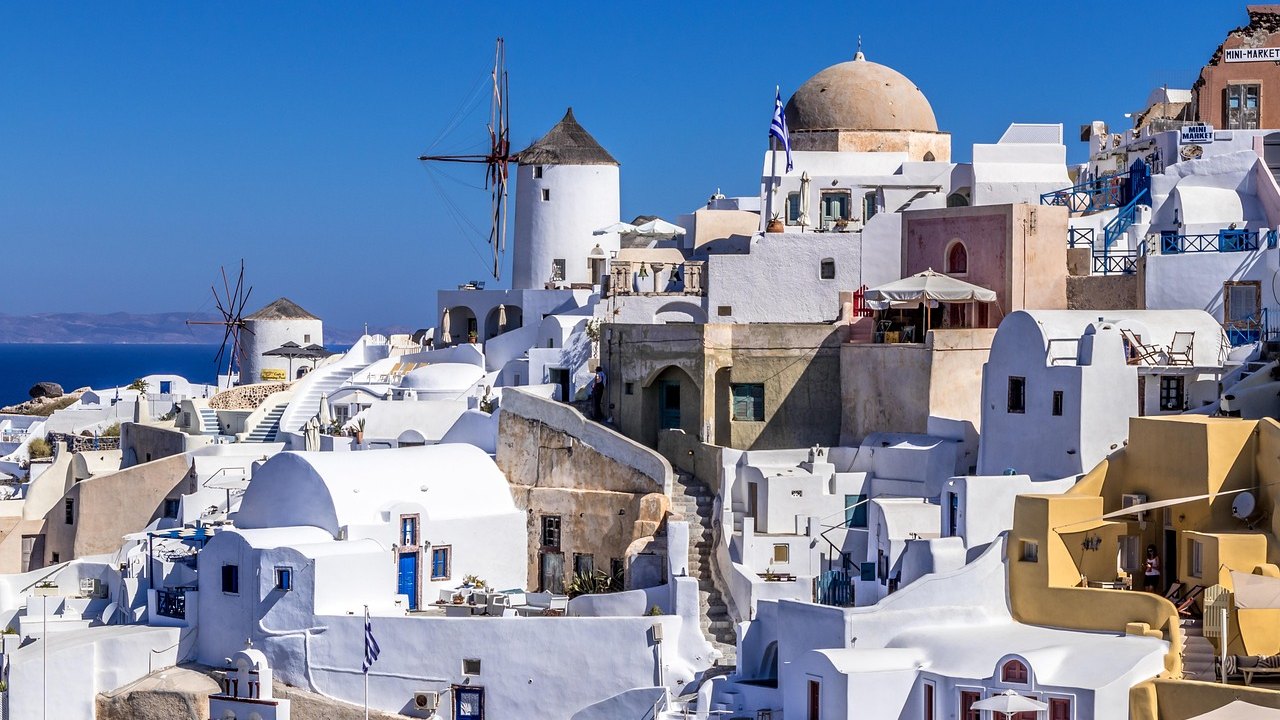
Heat Stroke USMLE: Belgium Heat Wave Deaths Study
Researchers at Vrije Universiteit Brussel (VUB) have estimated that human-induced climate change made Belgium's June 17–28, 2026 heat wave 3.9°C hotter. Of the 1,181 deaths statistically linked to the extreme temperatures, they estimate 665 (56%) would not have occurred without anthropogenic climate change. This is a modeled estimate, not a count of individual cases, but the physiology behind it is classic USMLE material: thermoregulation, heat stroke, and who is most vulnerable.
What happened
The VUB Department of Water and Climate published a rapid attribution report on Zenodo. According to the authors, it is the first attribution of heat-related deaths to human-induced climate change for a specific Belgian heat wave.
The report describes the June 2026 event as Belgium's deadliest heat wave on record. Over 12 days, maximum temperatures in Uccle peaked at 35.5°C (95.9°F) on June 26. On the night of June 24–25, the temperature never fell below 24.1°C (75.4°F). The source calls this the highest overnight minimum recorded during a Belgian heat wave since records began in 1892.
Health services were under strain. Calls to the 112 emergency number reached nearly twice the usual daily volume on June 26, and geriatric wards reached full capacity. According to provisional figures, June 27 was the second-deadliest day of the 21st century in Belgium.
The method combines two components:
- Epidemiological models that link daily maximum temperature to mortality risk.
- Extreme event attribution, which estimates how much warmer the heat wave was made by human-induced climate change.
The authors say both components are established, peer-reviewed methods. Subtracting 665 from 1,181 leaves roughly 516 deaths expected under the cooler, non-warmed scenario. That is where the "more than doubled" framing comes from, and it is our arithmetic from the reported figures.
Why it matters
The authors report that older people, women, and people in the most deprived areas bore the greatest burden. Co-author Emma Kuijt suggested this was likely worsened by factors beyond temperature alone. She named preexisting health conditions combined with socioeconomic factors such as poorly insulated housing and limited cooling capacity.
The study also explains the jump in deaths. In their account, warming pushed temperatures from the low-risk into the high-risk range of the temperature–mortality relationship. That relationship is not linear. Risk rises steeply once temperatures pass a critical threshold, so a few extra degrees can produce a disproportionate number of deaths.
For a future physician, the point is that heat-related illness is a population-level problem as well as a bedside one. Exam questions increasingly ask who is at risk, why, and which exposures and drugs raise that risk.
What to know for the USMLE: heat stroke and hyperthermia
- Thermoregulation: The preoptic area of the anterior hypothalamus is the body's thermostat. Heat is lost by radiation, conduction, convection, and evaporation. When ambient temperature approaches or exceeds skin temperature, evaporation becomes the main route. High humidity impairs it.
- Fever vs hyperthermia: In fever, cytokines (IL-1, IL-6, TNF-α) raise the hypothalamic set point via PGE2, and antipyretics work. In hyperthermia, the set point is unchanged and heat production or environmental load overwhelms heat loss. Antipyretics (acetaminophen, NSAIDs) are ineffective.
- Spectrum of heat illness: Heat cramps (painful muscle spasms, normal mental status) → heat exhaustion (weakness, nausea, headache, tachycardia, core temperature usually below 40°C, no major CNS dysfunction) → heat stroke (core temperature typically above 40°C/104°F with CNS dysfunction, such as confusion, seizures, or coma).
- Classic (nonexertional) heat stroke: This is the form seen in heat waves. It affects older adults, young children, and people with chronic illness or limited mobility, and develops over days. Exertional heat stroke occurs in athletes, soldiers, and laborers and can come on quickly. Do not rely on absent sweating to make the diagnosis, since sweating may persist, especially in exertional cases.
- Risk factors: Older age, cardiovascular, pulmonary, and renal disease, diabetes, psychiatric illness, obesity, and social isolation. Poor housing and no air conditioning also raise risk. Drugs that impair heat loss or raise heat production include anticholinergics, antipsychotics, diuretics, beta-blockers, amphetamines, cocaine, and MDMA.
- Pathophysiology of heat stroke: Thermal injury to cells and a systemic inflammatory response cause endothelial damage, and the sequence can progress to DIC. Complications include rhabdomyolysis, acute kidney injury, hepatic injury, ARDS, and cerebellar injury. Expect elevated CK, creatinine, and transaminases, electrolyte disturbances, and metabolic or lactic acidosis.
- Textbook management: The key principle is rapid cooling, with cold-water immersion as the most effective method, plus supportive care and fluids. Dantrolene is not the answer for heat stroke.
- Differential for hyperthermia on the exam:
- Malignant hyperthermia: Triggered by volatile anesthetics or succinylcholine in patients with RYR1 mutations. It causes rigidity and hypercarbia. Treat with dantrolene.
- Neuroleptic malignant syndrome: Follows dopamine antagonists. Look for lead-pipe rigidity and elevated CK. Management includes stopping the drug and giving dantrolene or bromocriptine.
- Serotonin syndrome: Presents with clonus, hyperreflexia, diarrhea. Treat with cyproheptadine.
- Anticholinergic toxicity: "Hot as a hare, dry as a bone, red as a beet, mad as a hatter."
- Thyroid storm and sympathomimetic toxicity: Also on the differential.
- Heat and chronic disease: Heat raises cardiac output demand through skin vasodilation and fluid loss. A patient with heart failure, CKD, or volume depletion on diuretics may decompensate before classic heat stroke develops. This is one reason heat-related deaths are often recorded under other diagnoses.

Limitations
- This is a modeled estimate. The 1,181 deaths are "statistically linked" to extreme temperatures. They are not individual cases confirmed as heat deaths on death certificates. The 665 attributed deaths come from a counterfactual comparison of the actual heat wave with a simulated climate without human influence.
- The report itself is on Zenodo. The authors say the methods are established and peer-reviewed. The source does not say the report itself has gone through journal peer review, so treat it as a rapid-response analysis.
- No uncertainty ranges in the source. The article we have does not give confidence intervals, so we cannot say how precise the figures are.
- Some inputs are provisional. The statement that June 27 was the second-deadliest day of the century relies on provisional figures.
- Vulnerability findings are descriptive. The authors report greater burden in older people, women, and deprived areas, and Kuijt's explanation about housing and cooling access is described as "likely." The source does not test those mechanisms.
- Advocacy framing. The authors' quotes include strong policy statements on emissions. Those are their views and sit apart from the data.
FAQ
What is the difference between heat exhaustion and heat stroke on the USMLE?
Both involve heat exposure. Heat stroke requires CNS dysfunction (confusion, seizures, coma) and typically a core temperature above 40°C (104°F). Heat exhaustion has milder symptoms and intact mentation. Heat stroke is a medical emergency with a risk of multi-organ failure.
Why do heat waves kill more older adults?
Aging blunts thirst, reduces sweating capacity and cardiovascular reserve, and increases the burden of chronic disease and polypharmacy. The Belgian report found older people carried a greater share of the burden. Socioeconomic factors such as poor housing insulation may add to the risk.
Do antipyretics work for heat stroke?
No. Antipyretics lower a hypothalamic set point raised by prostaglandin E2 in fever. In heat stroke the set point is normal, and the problem is failure of heat dissipation. The textbook answer is rapid external cooling.
Key takeaways
- A VUB rapid attribution report estimates that climate change made Belgium's June 17–28, 2026 heat wave 3.9°C hotter and accounts for 665 of 1,181 heat-linked deaths (56%). This is a modeled estimate.
- Older adults, women, and residents of deprived areas reportedly carried the greatest burden. The mortality–temperature curve is steep above a threshold.
- For the USMLE, know classic vs exertional heat stroke, the heat illness spectrum, multi-organ complications, why antipyretics fail, and how to distinguish heat stroke from malignant hyperthermia, NMS, and serotonin syndrome.
Prepared by the project team from the source material. Not medical advice.