
KRAS Vaccine Pancreatic Cancer: Phase 2 AMPLIFY-7P Results
An investigational vaccine against mutated KRAS produced a T-cell response in nearly every evaluable patient in a randomized phase 2 trial of resected pancreatic cancer, led by Mayo Clinic researchers and published in Nature Medicine. However, the trial did not meet its primary endpoint: disease-free survival was not significantly better with the vaccine than with observation. The results show the immune system can be taught to recognize KRAS, but clinical benefit remains unproven.
What happened
The AMPLIFY-7P trial enrolled 144 patients with stage 1–3 KRAS-mutated pancreatic cancer. All had completed surgery and chemotherapy and had no visible cancer on imaging at entry. Patients were randomized 2:1, with 96 assigned to the vaccine and 48 to observation.
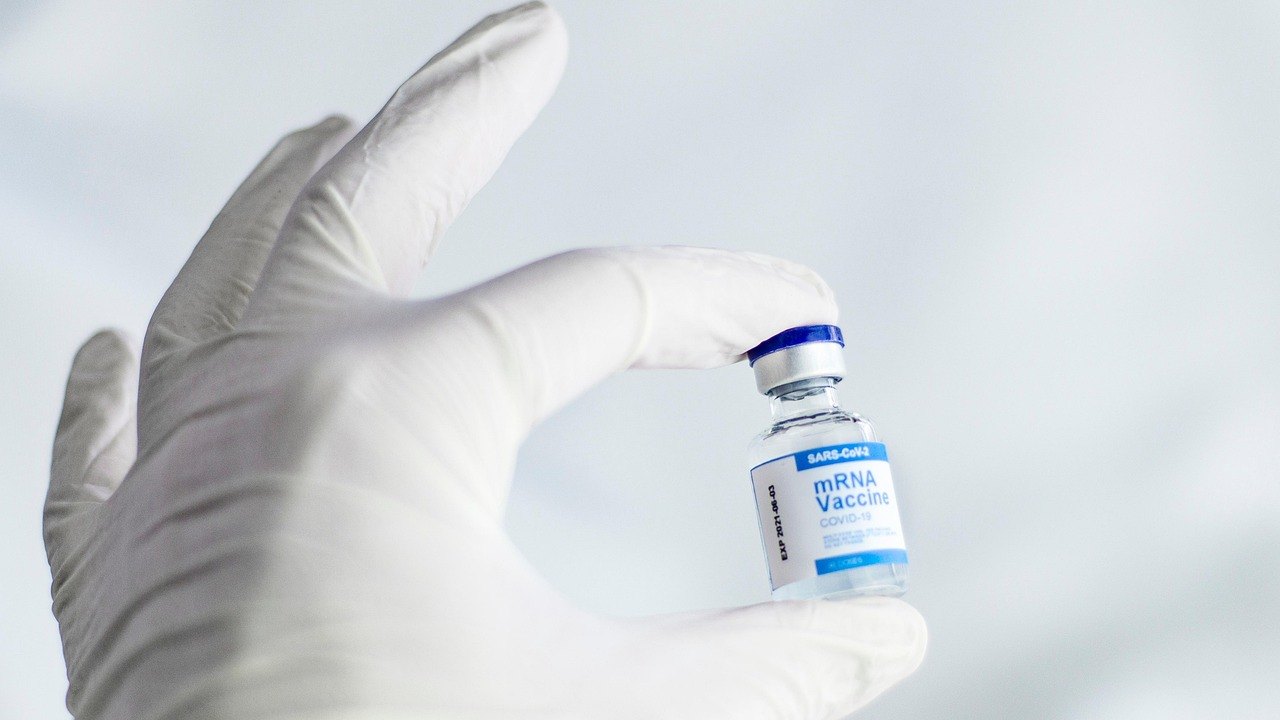
The vaccine is a lymph node-targeted, amphiphile formulation directed at seven of the most common KRAS mutations. It is designed to reach the lymph nodes, where T cells are primed, and to help them recognize cells carrying mutant KRAS. It is "off the shelf," meaning it is not made for each individual patient. It is intended for patients whose tumors carry one of the targeted mutations.
Key results:
- Primary endpoint not met. Median disease-free survival was 23.8 months with the vaccine and 21.2 months with observation. The difference was not statistically significant.
- Immune response. Of 90 vaccinated patients evaluable for immune response, 89 (98.9%) had increased T-cell responses against mutated KRAS.
- Breadth. The vaccine activated both CD4 and CD8 T cells and produced responses against several KRAS mutations.
- Durability. Among patients evaluable at least 46 weeks after the start of the study, 95.5% still had a detectable KRAS-specific T-cell response.
- Antigen spreading. In a small group, the immune system began recognizing cancer-related targets not included in the vaccine.
Why it matters
Pancreatic ductal adenocarcinoma has a high risk of recurrence even after surgery and chemotherapy, and it has historically responded poorly to immunotherapy. KRAS mutations occur in about 90% of these tumors, which makes KRAS an attractive target.
Researchers also reported an association between the strength of the immune response and disease-free survival. More than 8 in 10 evaluable patients had a KRAS-specific T-cell response more than nine times higher than before vaccination, and those patients had longer disease-free survival than the others. This came from an exploratory analysis. It does not show that the vaccine caused the longer survival. Patients who mount stronger immune responses may differ in other ways.
The investigators also reported possible predictive clues:
- ctDNA. In a planned analysis, patients with no detectable circulating tumor DNA at baseline showed a signal of longer disease-free survival with the vaccine than with observation.
- Prior radiation. Patients who had received radiation had fewer lymphocytes and weaker vaccine-induced KRAS-specific responses. Those who had not received radiation showed a signal of longer disease-free survival with the vaccine.
The authors state that these findings do not establish who will benefit. They are hypotheses to test in the planned phase 3 trial. Overall survival data are not yet available.
What to know for the USMLE
- KRAS is a proto-oncogene encoding a small GTPase in the RAS–MAPK pathway. Active RAS binds GTP. Hydrolysis of GTP to GDP turns it off.
- Oncogenic KRAS mutations (classically at codon 12) impair GTP hydrolysis, which leaves RAS constitutively active. The result is continuous signaling through RAF–MEK–ERK, promoting proliferation and survival. This is a gain-of-function mutation.
- KRAS is a classic driver mutation in pancreatic ductal adenocarcinoma. It is also common in colorectal and lung adenocarcinoma.
- In colorectal cancer, RAS mutations predict lack of response to EGFR inhibitors (cetuximab, panitumumab), because signaling is activated downstream of the receptor.
- Cytotoxic CD8 T cells recognize antigen on MHC class I and kill by perforin and granzymes. CD4 helper T cells recognize antigen on MHC class II and support the response through cytokines.
- Antigen priming happens in lymph nodes, which is why this vaccine is designed to target them.
- Antigen spreading (epitope spreading) is the broadening of the immune response to antigens not in the original immunogen.
- Circulating tumor DNA is a blood marker of minimal residual disease. It can signal persistent cancer when imaging is negative.
- Radiation is lymphotoxic. Lymphocytes are among the most radiosensitive cells, which fits the lower lymphocyte counts seen after radiation.
- Trial design. Disease-free survival is a surrogate endpoint, while overall survival is the more definitive endpoint. A strong biomarker or immunogenicity result does not guarantee a clinical benefit. A negative primary endpoint with positive exploratory analyses is hypothesis-generating.

Limitations
- The primary endpoint was negative. Median disease-free survival differed by 2.6 months (23.8 vs 21.2), which was not statistically significant.
- Phase 2 design. The trial was not designed as the definitive efficacy test. It enrolled 144 patients, 96 on the vaccine and 48 on observation.
- Exploratory analyses. The link between immune response strength and disease-free survival is an association. Subgroup signals by ctDNA status and prior radiation are hypothesis-generating. The researchers say these results do not establish who will benefit.
- No overall survival data yet. Longer follow-up is needed.
- Immune response is not clinical benefit. The trial shows the vaccine can induce T-cell responses. It does not show that those responses control the cancer.
- Phase 3 pending. A larger trial is planned to test whether the vaccine can delay or prevent recurrence.
FAQ
Did the KRAS vaccine work in pancreatic cancer?
It worked immunologically but not yet clinically. Almost all evaluable vaccinated patients (89 of 90) developed increased KRAS-specific T-cell responses. Disease-free survival was not significantly different from observation.
Which KRAS mutations does the vaccine target?
It targets seven of the most common KRAS mutations. It is an off-the-shelf product for patients whose tumors have one of those mutations, rather than a personalized vaccine.
Why is KRAS such an important target in pancreatic cancer?
KRAS mutations are found in about 90% of pancreatic ductal adenocarcinomas and help cancer cells grow and survive. Targeting a near-universal driver mutation could apply to many patients, but this trial has not yet shown that it improves outcomes.
Key takeaways
- In the phase 2 AMPLIFY-7P trial (144 patients), a KRAS vaccine induced T-cell responses in 98.9% of evaluable recipients, but the primary disease-free survival endpoint was not met.
- Stronger immune responses were associated with longer disease-free survival in exploratory analyses, and ctDNA status and prior radiation emerged as possible modifiers. These are hypotheses for the planned phase 3 trial, not proof of benefit.
- For USMLE: KRAS is a gain-of-function RAS–MAPK GTPase oncogene in pancreatic adenocarcinoma, and an immune-response biomarker is not the same as a clinical outcome benefit.
Prepared by the project team from the source material. Not medical advice.