LSD vs Psilocybin Brain Blood Flow: USMLE 5-HT2A Review
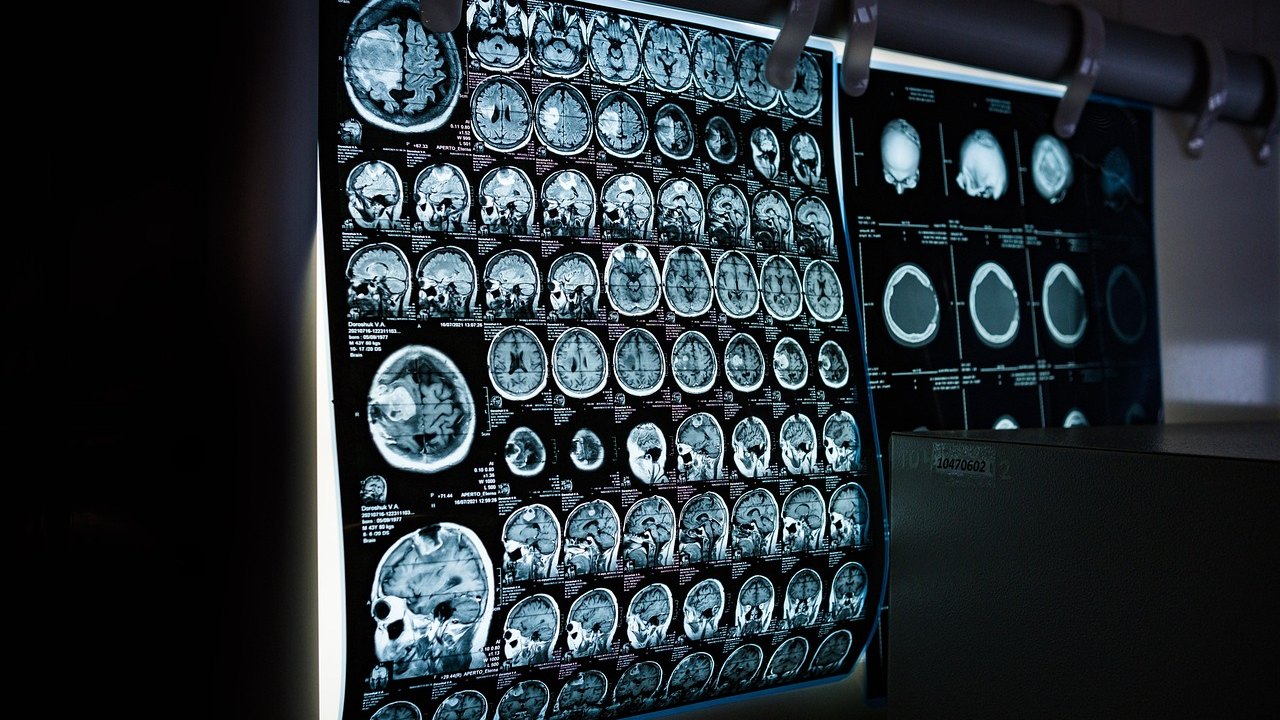
A new study reported by Medical Xpress suggests that LSD and psilocybin push blood flow in the brain in opposite directions. Both compounds are being investigated as possible treatments for depression and other psychiatric disorders. The finding is the authors' interpretation ("study suggests"), and it does not show any clinical benefit.
What happened
According to the news summary, the work compared how two classic serotonergic psychedelics, LSD and psilocybin, affect cerebral blood flow. The key claim is that the two drugs shift blood flow in opposite directions, even though both are known as serotonin 5-HT2A receptor agonists.
The source material available for this article is only a short summary. It does not give the study design, the number of participants, whether the work was in humans or animals, the doses, the imaging method, or which brain regions changed and in which direction. This article therefore does not describe those details, and you should read the original paper before citing any specifics.
Why it matters
LSD and psilocybin are often grouped as one pharmacologic class. Both act mainly through 5-HT2A receptors and produce similar subjective effects: altered perception, distorted sense of time, and changes in mood and self-experience. If they truly differ in how they affect cerebral perfusion, then "same receptor, same effect" is too simple a model.
There are several reasons this matters for research:
- Imaging interpretation. Many functional MRI studies rely on signals tied to blood flow and oxygenation. If a drug changes vascular tone or perfusion directly, the signal may reflect more than neuronal activity.
- Mechanism of therapeutic candidates. Both drugs are being studied in depression and other disorders. Knowing how they differ physiologically may help explain why results are not always identical across compounds.
- Receptor pharmacology. Differences may come from receptors beyond 5-HT2A, from pharmacokinetics, or from effects on blood vessels. The summary does not say which explanation the authors favor.
A difference in blood flow is not a difference in clinical efficacy. Nothing in the summary shows that either drug works better, or that blood-flow changes drive any therapeutic effect.
What to know for the USMLE — high-yield pharmacology and physiology
- Mechanism: LSD and psilocin (the active metabolite of psilocybin) are partial agonists at 5-HT2A receptors. These are Gq-coupled, so they activate phospholipase C, which generates IP3 and DAG and increases intracellular calcium.
- Prodrug: Psilocybin is dephosphorylated to psilocin, the active compound. LSD is a semisynthetic ergoline (derived from lysergic acid, related to ergot alkaloids). LSD also binds other serotonin receptors (including 5-HT1A) and dopamine receptors.
- Where it acts: 5-HT2A receptors are dense on cortical pyramidal neurons (notably layer V). Their activation is thought to increase glutamatergic signaling in cortex.
- Antagonist: The 5-HT2A antagonist ketanserin blocks much of the psychedelic effect in experimental settings. Many atypical antipsychotics also block 5-HT2A.
- Clinical effects: Visual distortions and hallucinations, mydriasis, mild tachycardia, hypertension, hyperreflexia, and anxiety ("bad trip"). Serious physical toxicity is uncommon, and the main acute risk is psychological distress or unsafe behavior.
- Tolerance: Rapid tachyphylaxis develops, and there is cross-tolerance between LSD and psilocybin, consistent with shared 5-HT2A downregulation. Classic psychedelics are not associated with a typical physical withdrawal syndrome.
- Persisting perception disorder: Hallucinogen persisting perception disorder (HPPD) involves recurrent visual disturbances (flashbacks) after use.
- Legal status: Both are Schedule I in the US federal system. Check current regulatory status for any clinical-trial context.
- Differential for exam stems: Distinguish psychedelics from PCP/ketamine (NMDA antagonists; nystagmus, violence, analgesia), stimulants (sympathomimetic with prominent hypertension and agitation), and serotonin syndrome (clonus, hyperthermia, diarrhea).
- Cerebral blood flow basics: Flow is regulated by PaCO2 (hypercapnia dilates, hypocapnia constricts), autoregulation over a mean arterial pressure range of roughly 60–150 mmHg, and neurovascular coupling, in which active neurons and astrocytes signal vessels to dilate.
- Imaging concepts: BOLD fMRI reflects blood oxygenation, arterial spin labeling (ASL) measures perfusion, and FDG-PET measures glucose metabolism. They are related but not identical, so a drug that changes vascular tone can uncouple them.
- Vascular serotonin pharmacology: Serotonin can cause vasoconstriction through 5-HT2A (and 5-HT1B/1D) receptors on vascular smooth muscle, while triptans act at 5-HT1B/1D. These are useful points for explaining why a serotonergic drug may alter perfusion independently of neuronal activity.
Limitations
- Very limited source detail. The only information available is a brief summary. Study type, sample, dose, and methods are not stated here.
- "Study suggests" is not proof. The authors' interpretation is a hypothesis. The opposite-direction finding needs replication, and the summary does not say how robust it is.
- No clinical benefit shown. A change in blood flow does not show that either drug treats depression or any other disorder.
- Unknown generalizability. Without knowing whether participants were healthy volunteers, patients, or animals, the results cannot be applied to any population.
- Blood flow is an indirect measure. Perfusion changes may reflect neuronal activity, direct vascular effects, or both, and imaging alone cannot separate them.
- No guidance for individuals. This article is educational and does not advise anyone about using these substances.
FAQ
Do LSD and psilocybin work through the same receptor?
Both act mainly as agonists at the serotonin 5-HT2A receptor, which is central to their psychedelic effects. LSD also binds other serotonin and dopamine receptors, so the pharmacology is not identical.
Does this study show that LSD or psilocybin treats depression?
No. According to the summary, the study reports that the two drugs shift brain blood flow in opposite directions. It does not demonstrate any clinical benefit, and both compounds remain under investigation.
Why would blood flow matter for brain imaging studies?
Several common imaging methods, such as BOLD fMRI and ASL, depend on blood flow or oxygenation. If a drug directly changes vessel tone or perfusion, the signal may not map cleanly onto neuronal activity.
Key takeaways
- A new report suggests that LSD and psilocybin shift cerebral blood flow in opposite directions, though the available summary gives no design details and no clinical benefit is shown.
- For USMLE, remember that both are 5-HT2A (Gq-coupled) partial agonists, that psilocybin is a prodrug for psilocin, and that they show tachyphylaxis and cross-tolerance.
- Know the basics of cerebral blood flow regulation and neurovascular coupling, since they explain why perfusion-based imaging can differ from neuronal activity.
Prepared by the project team from the source material. Not medical advice.