
Mitapivat Sickle Cell Disease: RISE UP Phase 3 Trial in Lancet
The Lancet has published RISE UP, a phase 3, double-blind, placebo-controlled randomized trial of mitapivat in sickle cell disease. Mitapivat is an oral activator of pyruvate kinase that reduces hemolytic anemia. The authors describe it as a potentially convenient disease-modifying therapy for sickle cell disease. The description we reviewed gives no specific efficacy or safety numbers, so those need to come from the full paper.
What happened
According to the source, RISE UP is a phase 3 randomized controlled trial (RCT) published in The Lancet. It is double-blind and placebo-controlled, which is the strongest standard design for testing whether a drug works. Neither participants nor investigators know who receives the active drug, which limits bias.
The drug is mitapivat, a pyruvate kinase activator taken by mouth. In the source's description, it reduces hemolytic anemia. The authors frame it as a potentially convenient, disease-modifying option for people with sickle cell disease.
That is all the source provides. It does not say who was enrolled, how long the trial ran, which endpoints were primary, or how large any effect was. It also gives no adverse-event data. We will not guess at these. If you want the numbers, read the full text in The Lancet.

Why it matters
Sickle cell disease is a monogenic disorder with serious, lifelong complications: hemolytic anemia, vaso-occlusive pain crises, organ damage, and infection risk. Treatment has long centered on supportive care and hydroxyurea. A pill that targets red cell metabolism and hemolysis would work through a different mechanism from the drugs most students learn.
"Disease-modifying" is a key phrase. Many sickle cell treatments manage complications or reduce their frequency. A disease-modifying drug aims to change the underlying process that drives red cell damage. Whether mitapivat meets that standard depends on the full RISE UP data, and clinical outcomes matter more than lab markers alone.
The result is also a good example of a metabolic enzyme being used as a drug target. That kind of reasoning is common on USMLE questions that link biochemistry to pharmacology.
What to know for the USMLE
Here is the testable background behind this news.
- HbS mutation: Sickle cell disease results from a point mutation in the β-globin gene that replaces glutamic acid with valine at position 6 (Glu6Val). This swaps a polar, negatively charged residue for a hydrophobic one. Inheritance is autosomal recessive.
- Pathogenesis: Deoxygenated HbS polymerizes, which distorts the red cell into a sickle shape. Hypoxia, acidosis, and dehydration promote sickling. Repeated sickling damages the membrane and shortens red cell survival, causing chronic hemolytic anemia.
- Vaso-occlusive crises: Rigid, adherent cells obstruct the microvasculature. This causes pain crises, dactylitis in young children, acute chest syndrome, and avascular necrosis of bone.
- Spleen and infection: Repeated infarction leads to autosplenia, so patients are at risk for encapsulated organisms (Streptococcus pneumoniae, Haemophilus influenzae). They are also prone to ***Salmonella* osteomyelitis. Howell-Jolly bodies** on the smear suggest functional asplenia.
- Other classic complications: Aplastic crisis with parvovirus B19, splenic sequestration in children, and renal papillary necrosis (hematuria, impaired concentrating ability). Sickle cell trait confers some protection against Plasmodium falciparum malaria.
- Diagnosis: Hemoglobin electrophoresis (or HPLC) confirms the diagnosis. Newborn screening is standard in the US.
- Hydroxyurea: It inhibits ribonucleotide reductase and raises fetal hemoglobin (HbF). HbF does not polymerize with HbS, so it dilutes the pathologic polymer. The main adverse effect to remember is myelosuppression. It is also teratogenic.
- Red cell glycolysis: Mature red cells have no mitochondria, so they depend entirely on anaerobic glycolysis for ATP. Pyruvate kinase catalyzes the last step, converting phosphoenolpyruvate to pyruvate with net ATP production.
- Pyruvate kinase deficiency: This is an autosomal recessive cause of extravascular hemolysis. The red cells run short of ATP, lose membrane integrity, and are removed by the spleen. Upstream metabolites accumulate, including 2,3-bisphosphoglycerate (2,3-BPG).
- 2,3-BPG and oxygen delivery: 2,3-BPG is made through the Rapoport-Luebering shunt. It stabilizes the deoxy (T) state of hemoglobin and shifts the oxygen-dissociation curve to the right. In sickle cell disease, more deoxy-HbS means more polymerization, which is why 2,3-BPG is relevant here.
- Why activating pyruvate kinase is plausible: This is the pharmacologic rationale, not a finding from RISE UP. Greater pyruvate kinase activity should increase ATP and lower upstream 2,3-BPG. That could support red cell membrane health and reduce the tendency of HbS to polymerize. Mitapivat is already known as a pyruvate kinase activator used in pyruvate kinase deficiency, so this is a case of repurposing a mechanism.
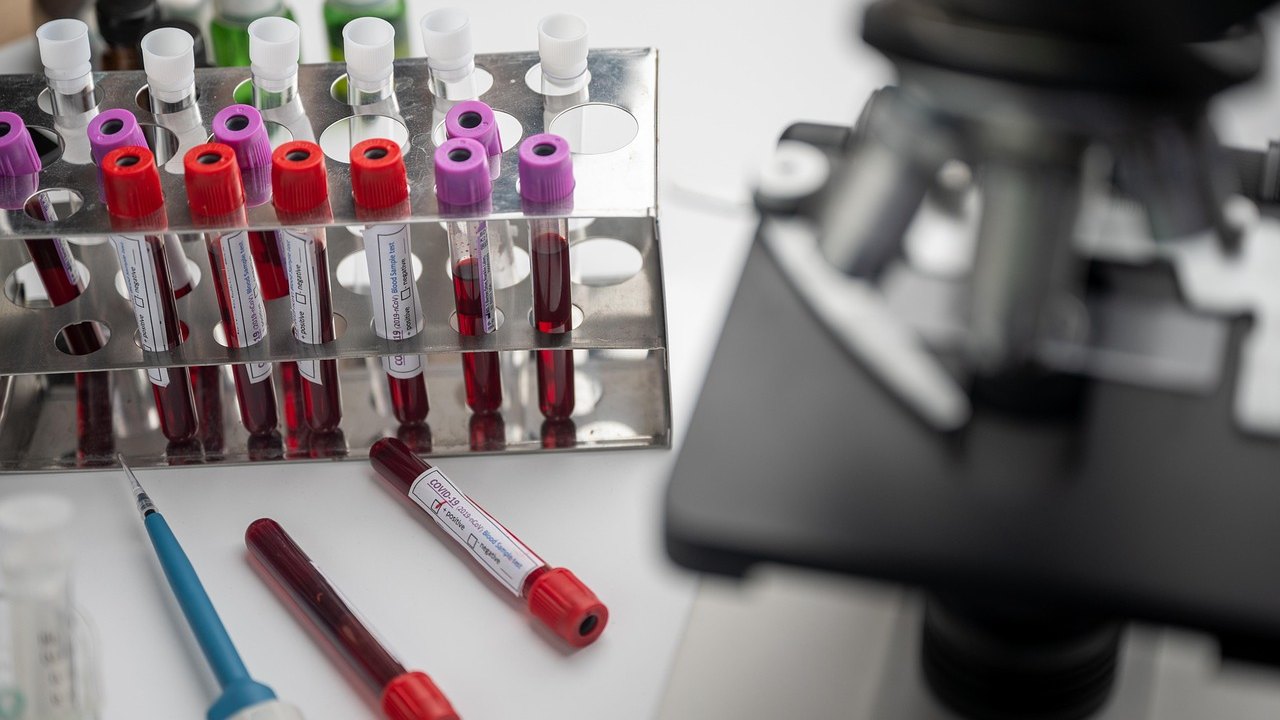
Exam tip: If a stem describes hemolysis with a low-ATP, rigid red cell and no mitochondria in the picture, think of glycolytic enzyme defects such as pyruvate kinase deficiency. If it describes a glutamic acid–to–valine change, think HbS. Be ready to explain how both end in hemolysis.
Limitations
Several caveats apply, and some are specific to how this news reached us.
- We only have a short description. The source summary contains no effect sizes, no safety results, and no details on the population or endpoints. Any claim about how well mitapivat works would be speculation.
- A positive phase 3 trial is not the same as a changed standard of care. Regulatory review, guidelines, and real-world experience come later.
- Lab improvement is not the same as clinical benefit. In sickle cell disease, changes in hemoglobin or hemolysis markers do not automatically mean fewer pain crises or less organ damage. Check which outcomes RISE UP measured and whether they were clinically meaningful.
- Long-term safety is unknown from this source. A single trial has a defined duration, and chronic disease needs long-term follow-up.
- "Potentially" matters. The authors' wording about a convenient disease-modifying therapy is cautious, and readers should keep it that way.
- Nothing here is guidance for individual patients. This article is for education and exam preparation only.
FAQ
What is mitapivat?
Mitapivat is an oral activator of the red cell enzyme pyruvate kinase. The source describes it as reducing hemolytic anemia and being studied in sickle cell disease in the RISE UP phase 3 trial.
What was RISE UP?
RISE UP is a double-blind, placebo-controlled phase 3 RCT of mitapivat in sickle cell disease, published in The Lancet. The brief description we reviewed does not give specific results, so consult the full article for numbers.
Do I need to memorize mitapivat for USMLE Step 1 or Step 2 CK?
Probably not the trial itself. The underlying concepts are high-yield: the HbS Glu6Val mutation, hemolysis and vaso-occlusion, hydroxyurea and HbF, and pyruvate kinase's role in red cell glycolysis and ATP. Knowing them lets you answer a question about a new drug that targets this pathway.
Key takeaways
- RISE UP is a phase 3, double-blind, placebo-controlled RCT of mitapivat, an oral pyruvate kinase activator, in sickle cell disease. The authors see it as a potentially convenient disease-modifying therapy.
- The source we used gives no numbers for efficacy or safety, so read the full Lancet paper before drawing conclusions.
- For USMLE, focus on HbS (Glu6Val), hemolysis, vaso-occlusive crises, hydroxyurea and HbF, and the role of pyruvate kinase and 2,3-BPG in red cell metabolism.
Prepared by the project team from the source material. Not medical advice.