Parkinson's Disease Low-Dose Radiation Trial: USMLE Review
Mayo Clinic researchers have started what they describe as the first clinical trial of low-dose radiation therapy as an anti-inflammatory approach in early-stage Parkinson's disease. The question is whether small, targeted doses of radiation to disease-affected brain regions can reduce inflammation and slow progression. This is a test of an idea. No results have been reported, and neither effectiveness nor safety has been established.
What happened
According to the report, the trial is led by Yasamin Sharifzadeh, M.D., a radiation oncologist, with neurologist Rodolfo Savica, M.D., Ph.D., as a study investigator. Radiation is usually used in oncology, where high doses damage tumor cells. Here the team is using much lower, targeted doses. The stated goal is "not to destroy brain tissue" but to see whether radiation can reduce inflammatory processes in specific parts of the brain.
The design, as described:
- Participants: The trial plans to enroll 20 patients aged 45 to 75 with early-stage Parkinson's disease that is not associated with a known genetic cause. It is available by invitation only at Mayo Clinic in Rochester.
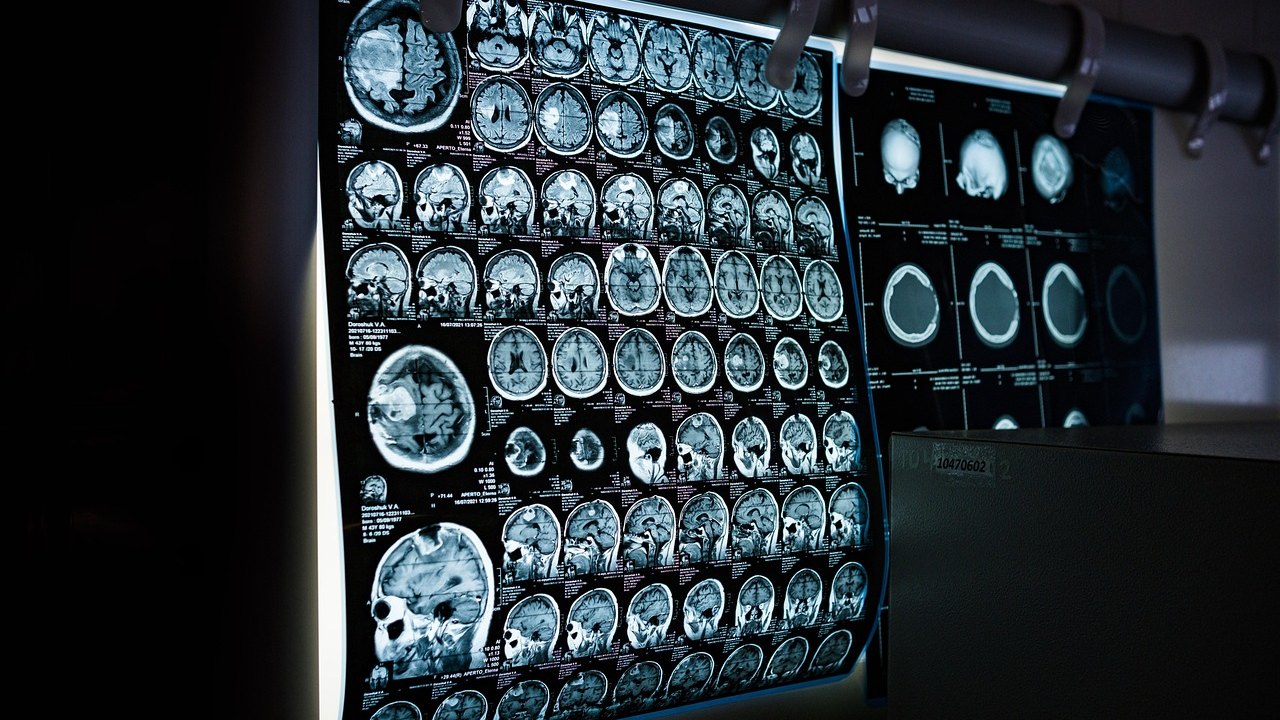
- Preparation: Brain imaging maps each participant's anatomy to plan where the radiation goes. Blood samples are collected to measure biomarkers, and physical, cognitive and emotional symptoms are assessed.
- Treatment: One low-dose session per day for five consecutive days, each lasting about 10 to 15 minutes. Radiation is limited to small, specific areas rather than the whole brain.
- Follow-up: Inflammatory biomarkers and protein accumulation are evaluated at six hours after treatment and again at 3, 6 and 12 months. Imaging is used to assess dopamine loss, and symptoms are tracked throughout.
Why it matters
Current Parkinson's treatment is symptomatic. Medications, and for some patients procedures such as focused ultrasound or deep brain stimulation, help manage symptoms, but there is no cure. The investigators frame this trial as an attempt to act on one of the biological processes associated with the disease, rather than only the symptoms it causes.
Inflammation is the process in question. Dr. Sharifzadeh says it is believed to play an important role in Parkinson's. Dr. Savica adds that Parkinson's is likely a collection of related subtypes that may differ biologically, which complicates the search for a universal treatment. He still thinks inflammation appears to matter across many forms of the disease.
The investigators say the findings could help decide whether the approach deserves further study and could add to understanding of the disease's basic biology. With 20 participants, this is a small, early-stage study. It cannot tell us whether radiation helps patients.
What to know for the USMLE: Parkinson's disease high-yield facts
The trial is not testable material. The disease behind it is, and the news is a good prompt to review it.
- Pathology: Loss of dopaminergic neurons in the substantia nigra pars compacta. Gross specimens show a pale substantia nigra because of lost neuromelanin-containing neurons.
- Hallmark inclusion: Lewy bodies, which are intracellular aggregates composed mainly of alpha-synuclein. This matches the "abnormal protein buildup" mentioned in the report.
- Neuroinflammation: Activated microglia and inflammatory signaling are recognized features of neurodegeneration. Whether they drive progression or follow it is an open question, and this trial touches on it.
- Clinical picture: Bradykinesia plus at least one of resting tremor (pill-rolling), cogwheel rigidity, or postural instability. Also expect masked facies, micrographia, a shuffling gait, and hypophonia. Nonmotor features include depression, anxiety, fatigue, cognitive change, REM sleep behavior disorder, and anosmia.
- Basal ganglia circuitry: Dopamine normally excites the direct pathway (D1) and inhibits the indirect pathway (D2). Dopamine loss therefore reduces direct-pathway activity and increases indirect-pathway activity. The result is more inhibition of the thalamus and less cortical motor drive.
- Genetics: Most cases are sporadic. Know SNCA (alpha-synuclein), LRRK2, and PRKN/PINK1 (early-onset, autosomal recessive). The trial enrolls only patients without a known genetic cause.
- Pharmacology:
- Levodopa/carbidopa: Carbidopa blocks peripheral dopa decarboxylase, which raises central levodopa delivery and reduces nausea.
- Dopamine agonists (pramipexole, ropinirole).
- MAO-B inhibitors (selegiline, rasagiline).
- COMT inhibitors (entacapone).
- Amantadine and anticholinergics (benztropine), the latter mainly for tremor.
- Surgical option: Deep brain stimulation of the subthalamic nucleus or globus pallidus interna.
- Imaging: The report says only that imaging assesses dopamine loss, without naming the modality. For exams, know that dopamine transporter SPECT (DaTscan) shows reduced striatal uptake in Parkinson's disease.
- Differentials: Drug-induced parkinsonism (antipsychotics, metoclopramide), Lewy body dementia (early dementia and hallucinations), multiple system atrophy (autonomic failure), progressive supranuclear palsy (vertical gaze palsy, early falls), and MPTP exposure.
- Radiation, the contrast: In oncology, radiation causes DNA damage, and higher doses kill dividing tumor cells. This trial deliberately uses far lower doses with a different aim, anti-inflammatory rather than cytotoxic. Whether that works is untested.
Limitations
- No results yet. The report describes a trial design and states no findings. Nothing here shows that the approach slows Parkinson's disease.
- Small sample. The plan is 20 participants, which limits what can be concluded even when results arrive.
- Narrow population. Only early-stage patients aged 45 to 75 without a known genetic cause are included, so findings would not automatically apply to others.
- Safety is unproven. Radiation to the brain, even at low dose and in small areas, needs careful safety evaluation. The report does not give safety data.
- Biological uncertainty. The investigators themselves note that much remains to be learned about inflammation's role in Parkinson's, and that the disease likely has biologically distinct subtypes.
- Access. The trial is by invitation only at a single site, and this article is not a recommendation for any individual's care.
FAQ
Is low-dose radiation a proven treatment for Parkinson's disease?
No. The Mayo Clinic study is the first trial of this approach in early-stage Parkinson's disease, and it is just starting. No results have been reported, and effectiveness and safety are not established.
How is the radiation in this trial different from cancer radiation therapy?
The investigators say they use a much lower dose, delivered to small, targeted brain areas rather than the whole brain. The aim is to test whether radiation can reduce inflammation, not to destroy tissue as in cancer treatment.
What is the main pathology of Parkinson's disease for the USMLE?
The key finding is loss of dopaminergic neurons in the substantia nigra pars compacta, with Lewy bodies made of alpha-synuclein. This reduces dopamine in the nigrostriatal pathway and causes bradykinesia, rigidity, and resting tremor.
Key takeaways
- Mayo Clinic is running the first trial of low-dose radiation as an anti-inflammatory approach in early-stage Parkinson's disease. It plans to enroll 20 patients and has reported no results.
- The idea targets neuroinflammation, but benefit and safety are unproven. This is hypothesis-testing, not a new treatment.
- For the USMLE, anchor on the fundamentals: substantia nigra pars compacta neuron loss, alpha-synuclein Lewy bodies, basal ganglia pathway changes, and the levodopa/carbidopa pharmacology.
Prepared by the project team from the source material. Not medical advice.