Shamonda Virus Human Case in France: USMLE Review
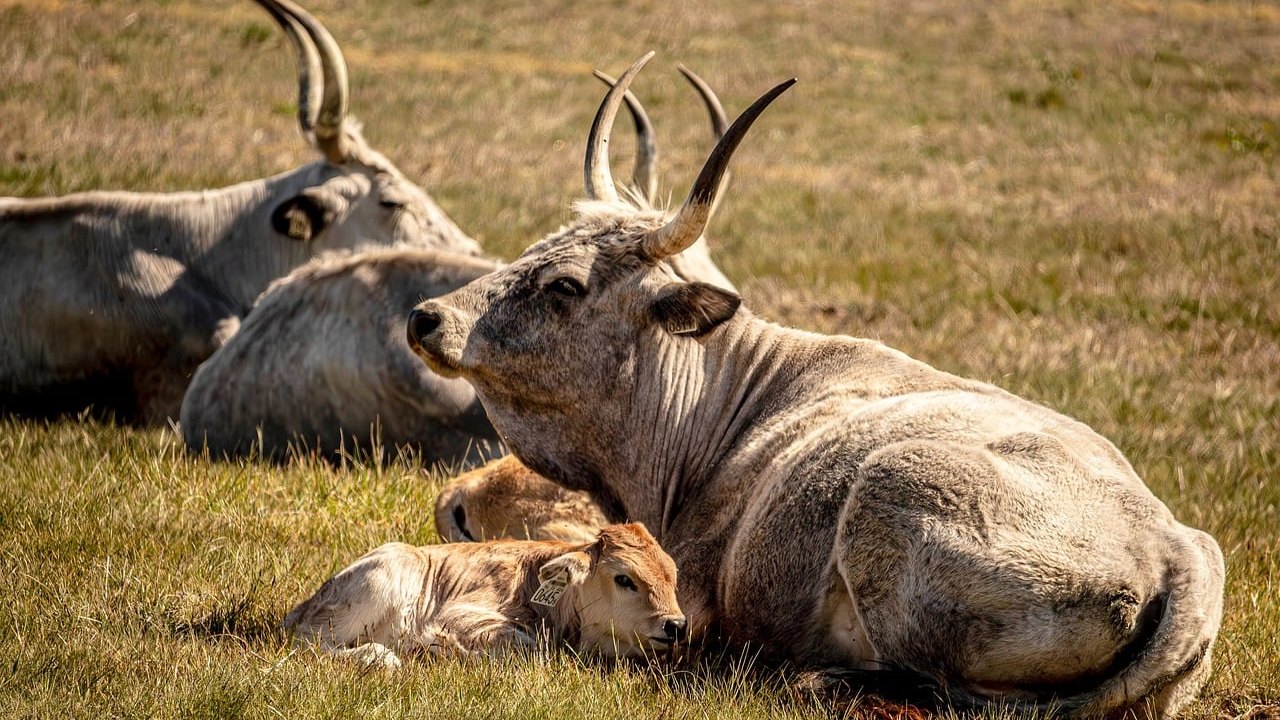
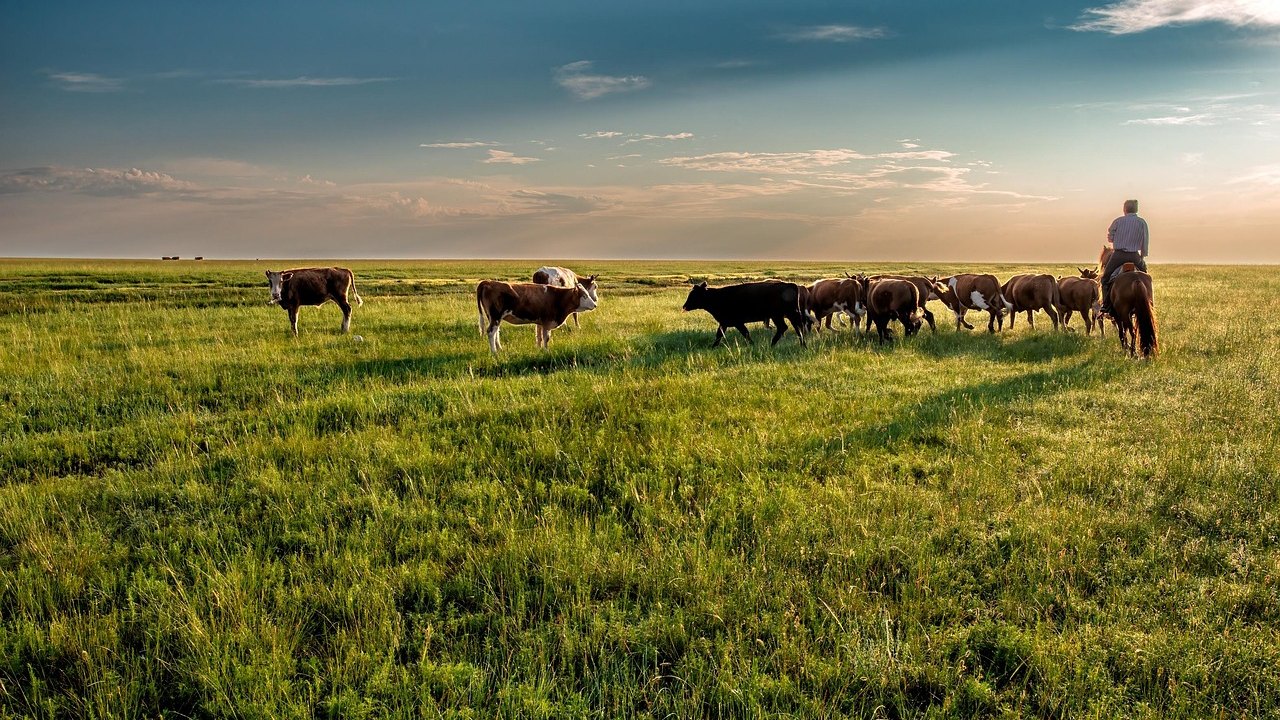
France has reported the first known human infection with Shamonda virus, a pathogen that usually affects cattle. According to the report, the patient died. Virologists quoted in the coverage consider the risk to the general population low, but this is a single case and the available details are limited.
What happened
Based on the short summary available to us, the key facts are these:
- Shamonda virus is typically a livestock virus, mainly associated with cattle.
- In France, it was identified in a human for the first time.
- The patient died.
- Virologists assess the risk for the general population as low.
- This is an isolated case, and public details are limited.
We had access only to this brief description, not the full article. We therefore do not know the patient's age, medical history, symptoms, how the diagnosis was confirmed, or how the person was exposed. We also do not know whether the virus itself caused the death. We will not guess at any of these. If the full report adds details, this article should be updated.
Why it matters
A first human case of a virus previously known from animals is a classic emerging-infection signal. Most new human pathogens are zoonotic, meaning they cross from animals to people. Each such event raises the same questions:
- Can the virus infect people efficiently?
- Is this a dead-end spillover, or can it spread from person to person?
- Was it a rare accident, or is it under-recognized because nobody tests for it?
The summary gives no evidence that Shamonda virus spreads between people, and the "low risk" assessment suggests experts do not currently see a widespread threat. One case cannot answer these questions, though. It is a reason for surveillance and careful investigation, not for alarm.
This is also a good example of the One Health principle: human, animal, and environmental health are linked. Veterinary and human medicine often detect the same pathogen from different directions.
What to know for the USMLE — high-yield facts
The case itself will not appear on an exam, but the concepts behind it are testable. This is general textbook knowledge, not information from the report:
- Taxonomy: Shamonda virus is generally classified as an orthobunyavirus (Simbu serogroup) in the order Bunyavirales. Its relatives include Schmallenberg virus and Akabane virus, which are animal pathogens.
- Genome: Bunyaviruses have segmented, negative-sense, single-stranded RNA (L, M, and S segments). Because the genome is segmented, co-infection can produce reassortment, a process similar to antigenic shift in influenza. Reassortment is one route to novel viruses.
- Vectors: Many bunyaviruses are arboviruses. Animal orthobunyaviruses of this group are generally spread by biting insects such as Culicoides midges. Whether and how this applies to the French patient is not stated in our source.
- Veterinary picture: In ruminants, related Simbu viruses are known for causing fetal malformations (arthrogryposis, hydranencephaly) after maternal infection in pregnancy. Do not apply this to humans. The summary says nothing about it.
- Other Bunyavirales on exams:
- La Crosse (California) encephalitis: mosquito-borne, pediatric encephalitis.
- Rift Valley fever: livestock-associated, causes hemorrhagic fever and hepatitis.
- Crimean-Congo hemorrhagic fever: tick-borne, with a livestock link.
- Sandfly (phlebovirus) fever: transmitted by sandflies.
- Hantaviruses: rodent-borne, causing HFRS and hantavirus pulmonary syndrome.
- Zoonosis vocabulary: know the difference between a reservoir host, a vector, an amplifying host, and a dead-end (incidental) host. A dead-end host does not transmit the pathogen onward.
- Diagnostics: For suspected arboviral or zoonotic infection, think RT-PCR for acute viremia and serology (IgM, paired IgG titers) for later confirmation. Specialized public-health laboratories handle rare agents.
- Management principle: For most bunyaviral infections, treatment is supportive. Prevention relies on vector control, animal-health measures, and avoiding exposure.
- Exam reasoning: Questions often present an occupational or travel exposure (farmers, veterinarians, slaughterhouse workers, bites) and ask for the likely pathogen, vector, or reservoir. Look for clues about animal contact and season.

Limitations
- Single case. One patient cannot tell us how often the virus infects people, how severe infection usually is, or what the risk factors are.
- Limited details. We have only a short summary. The transmission route, clinical course, and confirmation methods are unknown to us.
- Causality. The summary reports that the patient died, but we cannot say what role the virus played compared with other conditions.
- Risk assessment is provisional. "Low risk for the general population" is an expert estimate based on current knowledge. It may change with more data.
- Not a clinical guide. This article is educational and gives no advice for individual patients or exposures.
FAQ
What is Shamonda virus?
It is a virus that usually infects cattle. In textbook terms, it belongs to the orthobunyaviruses within the order Bunyavirales. Until this report from France, it had not been identified in a human.
Should the general public be worried about Shamonda virus?
According to the virologists cited in the summary, the risk to the general population is low. This is a single case with limited details, so experts will likely watch for further cases. Anyone with personal health concerns should talk to a clinician or local public-health authority.
Why does a case like this matter for USMLE preparation?
It illustrates zoonotic spillover and the One Health approach. It also touches on Bunyavirales virology, arbovirus transmission, and reassortment. These topics appear on Step 1 in microbiology and on Step 2 CK in public health and infectious disease.
Key takeaways
- France reported the first known human Shamonda virus infection. The virus normally affects cattle, and the patient died.
- Experts see low risk for the general population, but this is one case with limited public details, so conclusions are premature.
- For the USMLE, focus on the concepts: Bunyavirales (segmented negative-sense RNA, reassortment), arthropod vectors, and One Health zoonosis reasoning.
Prepared by the project team from the source material. Not medical advice.